
By Siddhi Mehta
22 Feb 2026
CattleSense is a cloud-native platform that uses AI-driven cattle identification from simple camera images — without relying on RFID tags — to generate reliable, individual animal verification. This enables insurers and livestock stakeholders to improve verification accuracy, reduce fraud risk, and enhance downstream workflows for enrollment, underwriting, and claim validation.
The project was developed through a close collaboration between Astradigit and AI Thinking Labs, combining advanced AI research with scalable product engineering to deliver a production-ready solution.
The solution addresses long-standing challenges in livestock insurance—such as animal substitution, false claims, limited health visibility, and manual verification—by replacing episodic inspections with continuous, AI-driven evidence.
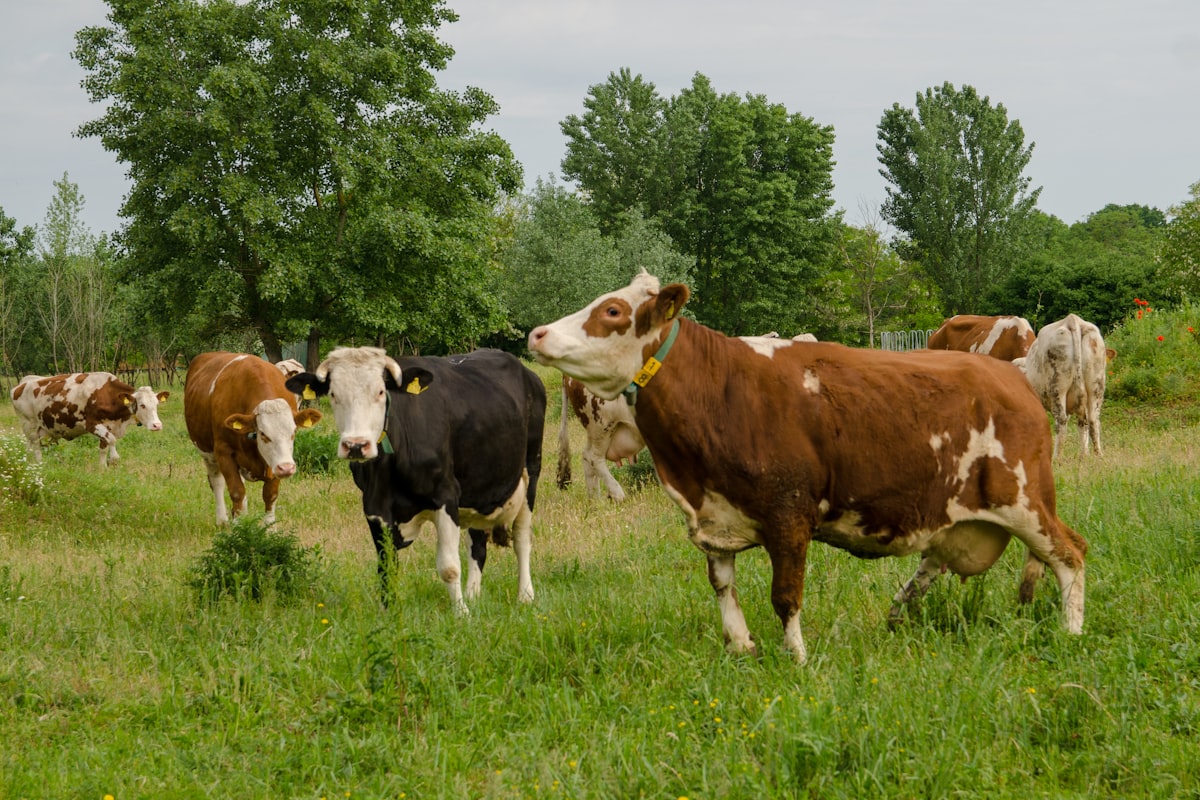
Livestock insurance aims to protect farmers from financial loss, yet its effectiveness is frequently undermined by fraud, operational gaps, and policy-induced moral hazard, particularly in cattle-centric systems such as those in India and the United States. Cattle dominate insured livestock due to their high economic value—India has over 300 million cattle, and in the U.S. the cattle sector contributes approximately USD 70–80 billion annually to agricultural receipts—concentrating both financial risk and misuse within a single species.
Studies indicate that 5–10% of insurance claims are affected by fraud, with livestock programs reporting recurring issues such as false death claims, animal substitution, ear-tag manipulation, and collusion during verification. In addition, mandatory 15–30 day waiting periods before claim eligibility, intended to deter insuring sick animals, can unintentionally create moral hazard.
In practice, livestock may be insured primarily to access compensation, followed by reduced care once the waiting period lapses, leading to preventable deaths that are difficult to distinguish from natural mortality.
These risks are intensified by reliance on visual health checks, manual record-keeping, and fragile identification methods, which limit early disease detection and reliable animal histories—especially in large herds. Together, these challenges erode insurer confidence, inflate claim costs, increase premiums, and restrict inclusive livestock coverage, underscoring the need for stronger monitoring, identification, and policy design in livestock insurance systems.
CattleSense is a triple-threat livestock intelligence platform that combines biometric identification, AI-driven health scoring, and generative AI into a unified system for insurance and livestock stakeholders.
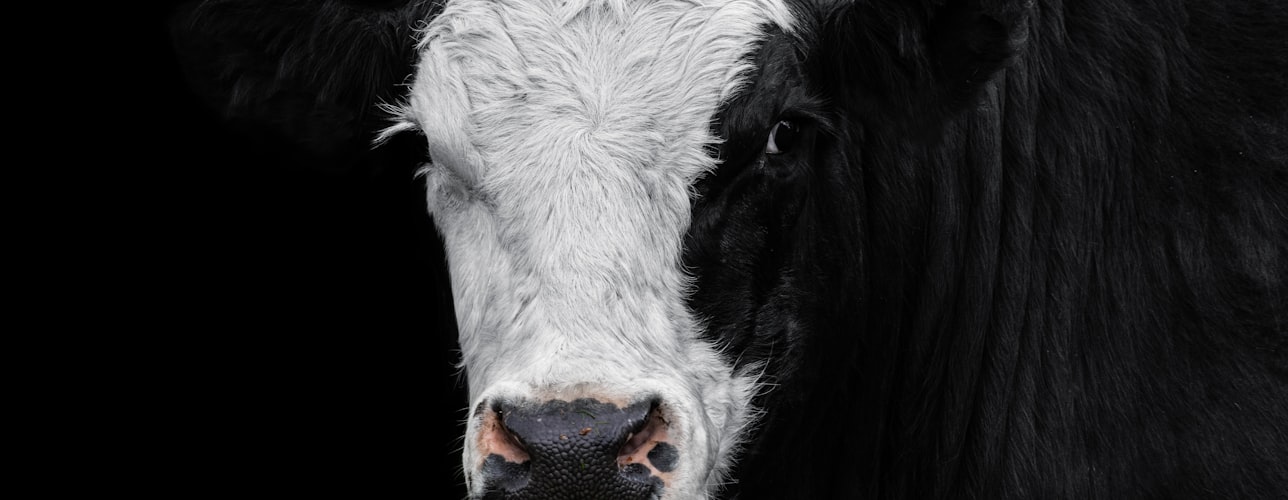
The platform uniquely identifies cattle using computer vision and advanced imaging technologies, including infrared and LiDAR, enabling early detection of illness, monitoring of feeding and heat cycles, and diet-related insights. At the point of capture, AI-generated health scores and contextual recommendations provide immediate, data-backed evaluation of animal condition.
A domain-specific cattle LLM enables users to interact with livestock data conversationally, making health and verification insights easily accessible. These capabilities are supported by a scalable cloud infrastructure and a centralized health insight dashboard, allowing insurers, agri-tech platforms, and government systems to leverage reliable, real-time livestock intelligence.
Together, these components strengthen animal verification, improve early risk detection, and enable more informed, evidence-based insurance decision-making.
Cloud & Infrastructure
AWS and Google Cloud Platform (GCP), including:
DevOps
Frontend & Backend
AI Integration
Integrated to support livestock identification, health evaluation, monitoring, and conversational data access.
Varied Technology and Data Sources: Animal data originated from heterogeneous sources, including images, sensor feeds, and manual inputs, captured under inconsistent farm conditions. Integrating these diverse data types into a unified, insurer-grade system required standardization across formats, ingestion pipelines, and processing workflows.
Resource and Operational Constraints: Field inspections and health assessments were heavily dependent on human expertise, creating variability in data quality and increasing operational costs. Limited availability of trained personnel made continuous monitoring impractical at scale using traditional approaches.
Scalability and Environmental Variability: The system needed to perform reliably across different herd sizes, farm layouts, lighting conditions, and regional operating environments. Ensuring consistent biometric accuracy and health inference under these real-world constraints was a key challenge.
Fraud and Moral Hazard Exposure: Insurance workflows were vulnerable to:
Distinguishing genuine loss from preventable or fraudulent claims was difficult without objective, continuous evidence.
Data Governance, Security, and Trust: Insurance-grade systems require strong data governance, auditability, and security. Establishing trusted data pipelines with clear ownership, access controls, and verifiable histories was essential to meet insurer expectations and regulatory requirements.
Integration with Insurance Workflows: The solution needed to integrate seamlessly with existing insurer processes for:
Without increasing complexity or disrupting established operational practices.
Through close technical coordination, the solution was shaped to support reliable livestock identification, continuous monitoring, and trustworthy insurance verification. This approach enabled a seamless transition from research-grade AI models to a commercially deployable platform capable of reducing operational friction and fraud in livestock insurance ecosystems.
CattleSense delivered measurable improvements in livestock health visibility, insurance risk assessment, and operational efficiency, demonstrating clear value for livestock insurers.
Exceptional Identification Accuracy: 99% muzzle-based identification accuracy, even in low-light and challenging farm conditions, enabling dependable animal verification throughout the policy lifecycle.
Operational Efficiency Gains: AI-driven monitoring and automated documentation supported a 25% productivity improvement across field inspections and verification workflows.
Large-Scale Validation: Tested on 1,500+ cattle, demonstrating scalability and robustness for insurer-led deployments across diverse herd conditions.
Industry Recognition: Recognized as a #1 IEEE publication, reinforcing the platform’s innovation in AI-driven livestock identification and insurance applications.
CattleSense demonstrates how AI-powered biometric identification and continuous health analysis can materially strengthen livestock insurance systems. By combining muzzle-based identification with cloud-native architecture and automated analytics, the system provides insurers with reliable animal verification, objective health intelligence, and improved risk visibility at scale.
The solution achieved 99% identification accuracy in real-world conditions, delivered measurable productivity gains, and established an insurer-ready framework for continuous livestock health monitoring and evidence-based decision-making. Beyond technical performance, CattleSense sets a new benchmark for how advanced AI-driven health analysis can enhance trust, efficiency, and sustainability across livestock insurance ecosystems.
“Astradigit has been a highly capable IT partner, supporting us across AWS and GCP with strong DevOps and application development expertise.
Their work directly strengthened the architecture to make both our AI prototype scalable, ensuring both products are secure, scalable, and polished end-to-end.
Their disciplined execution and attention to detail made them a trusted partner.
We consider Astradigit a trusted partner and would welcome future collaboration.”